2 min read
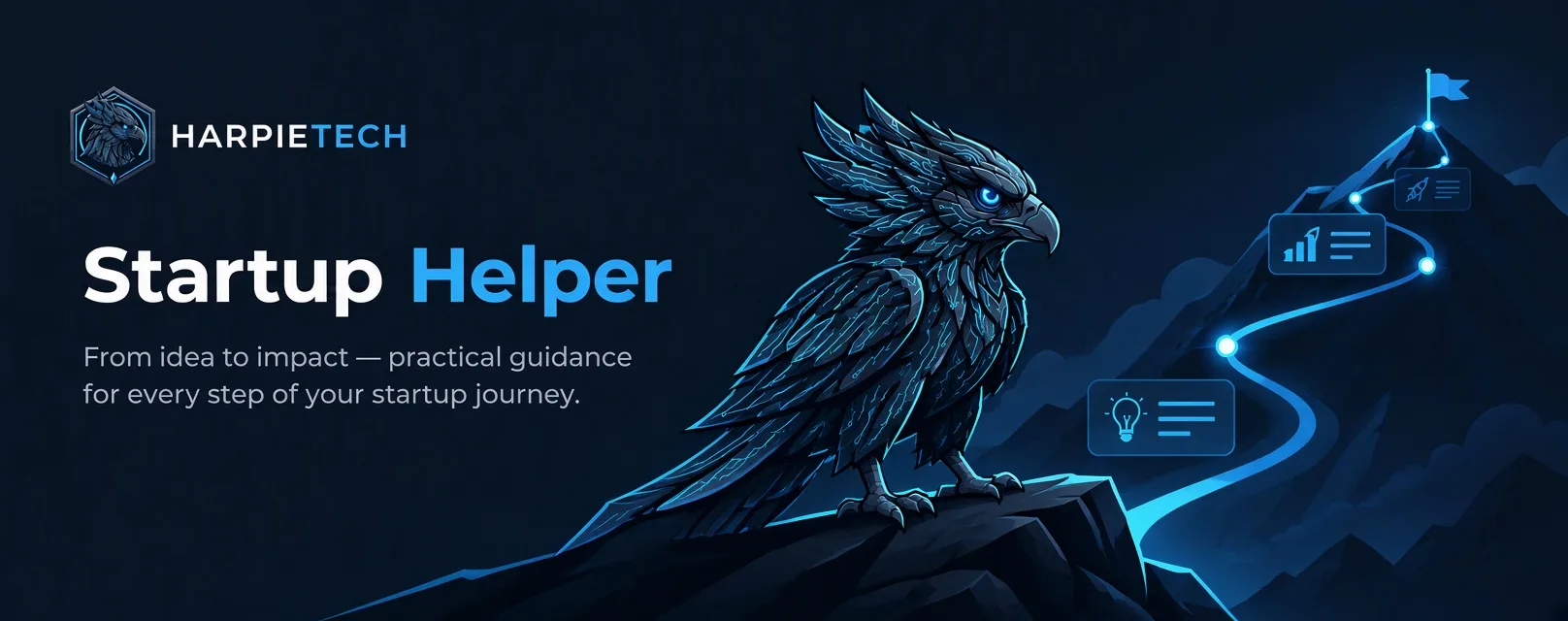
A startup technical partner helps turn an idea into a testable first product and supports it after launch. Learn how scoping, development and ongoing care help founders focus on customers.
What is startup technical support?
Startup technical support helps founders turn an early idea into a product that people can test and use. It can include an idea workshop, feature planning, an initial budget and timeline, development of a first version, hosting, security and maintenance. It gives founders access to technical guidance without requiring them to hire a full in-house engineering team immediately.
Why do founders need it?
Early-stage teams have limited time and budget. Building too many features before speaking with users can waste both. A technical partner helps separate the essential first release from ideas that can wait, making it easier to test assumptions and learn from real customer feedback.
A structured approach can help founders:
- Clarify the idea. Turn a broad concept into a focused problem, audience and feature plan.
- Plan budget and timeline. Set expectations for scope, costs and milestones before development begins.
- Launch a first version. Build a usable product for early users instead of waiting for every possible feature.
- Cover operations. Plan hosting, security, monitoring and ongoing care alongside development.
- Prepare for growth. Keep code and documentation organized so a future team can take over.
Build an MVP around a real question
A minimum viable product (MVP) should test a clear assumption: whether customers need the product, understand its value or will pay for it. Start with the smallest useful feature set, then let user feedback inform the next priorities. An MVP should still be secure enough for its intended use and designed so it can be maintained.
How a startup project can run
A practical process has three stages:
- Scope: agree on the goals, features, timeline and price before work starts.
- Build: review progress regularly and test early versions while there is still time to adjust.
- Run: launch, monitor and maintain the product under an agreed care plan.
Clear ownership matters too. Founders should understand where the code is stored, who controls accounts and data, and how another developer could take over. Documentation and a clean handover reduce dependency on any one person or provider.
When is a technical partner useful?
This support can help when a founder needs to validate an idea, prepare a product for first customers, estimate costs for planning or investors, or manage the technical work after launch. HarpieTech's Startup Helper service includes an idea workshop and feature plan, budget and timeline guidance, a first version, hosting, security and care, technical advice and a handover designed for a future team.
The best first step is to describe the problem you want to solve and who it is for. From there, prioritize what must be built now, what can wait and how you will measure whether the product is working.
Explore HarpieTech's startup support: HarpieTech Startup Helper
More about HarpieTech: harpietech.com